
From reels to relationships: Is ‘if they wanted to, they would’ helping Gen Z or hurting modern love?
Nancy Jaiswal | Feb 09, 2026, 15:45 IST
Gen Z swears by this rule, but is it clarity or pressure? Bollywood stories reveal the messy middle.

Image credit : Indiatimes | Is ‘if they wanted to, they would’ always true?
The phrase “If they wanted to, they would” has quietly become Gen Z’s relationship rulebook. It shows up in Instagram reels, breakup captions, and late-night chats with friends. The idea sounds simple: if someone truly cares, effort will follow no excuses, no confusion.
But real relationships, like real people, are rarely that simple.
So is this phrase a healthy standard or an unfair expectation dressed up as self-respect?
Sometimes, the phrase hits the mark. In Rocky Aur Rani Kii Prem Kahaani, Rocky doesn’t just talk about loving Rani he shows up. He learns her world, stands up to family pressure, and makes visible, sometimes uncomfortable choices. His actions match his words, and that’s why the relationship feels earned.
This is where “if they wanted to, they would” works. When someone consistently makes time, communicates clearly, and follows through, effort becomes obvious. You’re not guessing. You’re not decoding texts. You’re not making excuses on their behalf.
![When emotional standards turn rigid, relationships can start feeling like silent tests.]() In these cases, the phrase acts like clarity, not pressure.
In these cases, the phrase acts like clarity, not pressure.
Problems begin when the phrase is used as a blanket rule.
In Tu Jhoothi Main Makkaar, both Ranbir Kapoor and Shraddha Kapoor like each other, but fear, pride, and emotional baggage constantly get in the way. If we apply the phrase too strictly here, both look careless when in reality, they’re confused, guarded, and emotionally immature.
![Bollywood romances remind us that love isn’t always instant, perfect, or easy to express]() Not everyone avoids effort because they don’t care. Some people struggle with communication. Some are overwhelmed. Some simply don’t know how to show up yet.
Not everyone avoids effort because they don’t care. Some people struggle with communication. Some are overwhelmed. Some simply don’t know how to show up yet.
Turning the phrase into a test can quietly create unrealistic expectations where love must be loud, instant, and perfectly expressed, or it doesn’t count.
Films like Zara Hatke Zara Bachke show something softer and more realistic. The couple loves each other, but misunderstandings, ego, and everyday stress slow things down. Effort exists but it’s messy, inconsistent, and deeply human.
This is the grey area the internet often ignores. Effort doesn’t always look like grand gestures. Sometimes it looks like learning, unlearning, and trying again.
![Effort matters, but context does too]() The healthier version of the phrase might be this:
The healthier version of the phrase might be this:
If they wanted to, they would but only at the capacity they currently have. That’s where self-respect and empathy meet.
The phrase becomes empowering when it helps you stop chasing people who clearly don’t care. It becomes toxic when it leaves no room for growth, context, or honest conversation.
Instead of asking, “Why aren’t they doing more?”
A better question might be: “Is this enough for me?”
Because effort matters, but so does understanding.
But real relationships, like real people, are rarely that simple.
So is this phrase a healthy standard or an unfair expectation dressed up as self-respect?
When effort actually means something
This is where “if they wanted to, they would” works. When someone consistently makes time, communicates clearly, and follows through, effort becomes obvious. You’re not guessing. You’re not decoding texts. You’re not making excuses on their behalf.
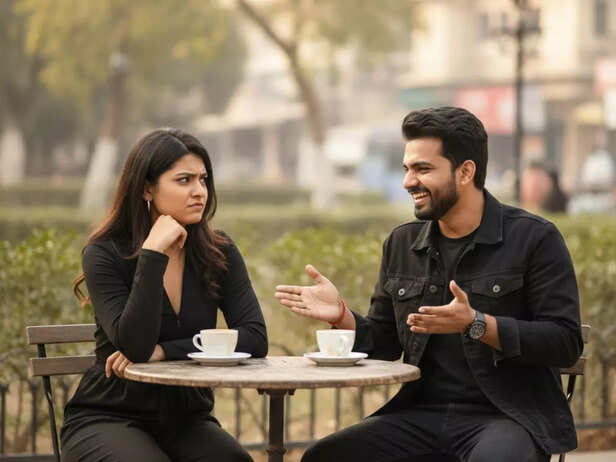
Image credit : AI generated via Meta | When emotional standards turn rigid, relationships can start feeling like silent tests
When the phrase turns toxic
In Tu Jhoothi Main Makkaar, both Ranbir Kapoor and Shraddha Kapoor like each other, but fear, pride, and emotional baggage constantly get in the way. If we apply the phrase too strictly here, both look careless when in reality, they’re confused, guarded, and emotionally immature.

Image credit : X/koreanoli | Bollywood romances remind us that love isn’t always instant, perfect, or easy to express
Turning the phrase into a test can quietly create unrealistic expectations where love must be loud, instant, and perfectly expressed, or it doesn’t count.
What Bollywood gets right about Grey areas
This is the grey area the internet often ignores. Effort doesn’t always look like grand gestures. Sometimes it looks like learning, unlearning, and trying again.
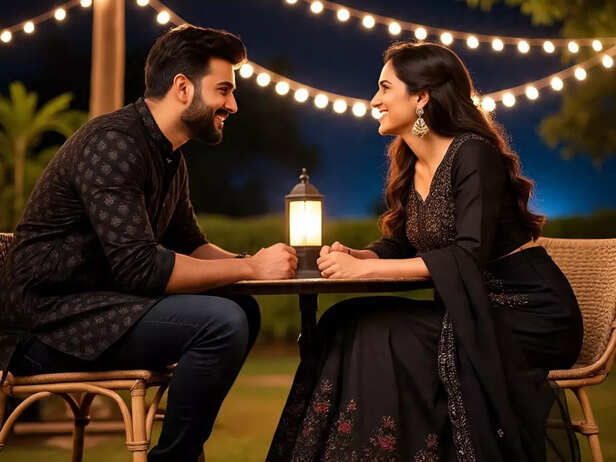
Image credit : AI generated via Meta | Effort matters, but context does too
If they wanted to, they would but only at the capacity they currently have. That’s where self-respect and empathy meet.
So, truth or toxic?
Instead of asking, “Why aren’t they doing more?”
A better question might be: “Is this enough for me?”
Because effort matters, but so does understanding.
Ariana Grande and Taylor Swift's DM exchange goes viral
By Emmy Azad

This Amazon AI feature is basically the Avengers for dogs
By Sneha Kumari

Real Housewives alum slam Bad Bunny’s halftime show
By Emmy Azad

Stop sending basic V-Day texts. Let AI do it better
By Sneha Kumari

Journalist cries as Bad Bunny transcends language at Super Bowl
By Simran Guleria

Why digitally anonymized content is getting side-eyed
By Iraa Paul

Why MrBeast's Super Bowl Ad feels like it was made for the internet
By Sneha Kumari
