
AI faces, real trauma: Why digitally anonymized content is getting side-eyed
Iraa Paul | Feb 09, 2026, 12:03 IST
Digitally anonymized content protects identities, but AI-generated faces are making viewers uncomfortable and distrustful.

Image credit : Netflix | The Investigation of Lucy Letby revisits the UK nurse convicted of murdering seven infants
Digitally anonymized used to be one of those boring phrases buried in privacy policies, something you scrolled past without thinking twice. Now? It’s everywhere. From AI datasets to true-crime documentaries, the term has officially entered the group chat, and not everyone is comfortable with how it’s being used.
So what does digitally anonymized actually mean? And why did a Netflix documentary about Lucy Letby spark such intense backlash over it?
Let’s break it down.
![AI faces, real trauma: Why digitally anonymized content is getting side-eyed]()
At its simplest, digital anonymization is about removing or altering identifying details so a person can’t be recognised, directly or indirectly. That could mean deleting names and phone numbers from a dataset, blurring faces in videos, or distorting voices in audio recordings.
The goal is privacy without erasure. You still want the data, the story, or the experience to exist, just without exposing real people to harm, harassment, or unwanted attention.
In data and tech spaces, anonymization allows companies and researchers to analyse trends without tying information back to specific individuals. In the media, it lets people speak about sensitive or traumatic experiences without putting their identities on blast.
In theory, it’s a win-win. In practice? It’s complicated.
![AI faces, real trauma: Why digitally anonymized content is getting side-eyed]()
From Blurs to
Traditionally, anonymization was pretty straightforward: pixelated faces, shadowy silhouettes, robotic voice filters. Viewers understood the code instantly, this person is real, but protected.
Now, tech has upgraded the playbook. AI tools can generate realistic digital faces and voices that replace the original person while keeping expressions, tone, and emotional cues intact. This is often described as advanced or digital anonymization.
Sounds smart, right? Until it feels off.
![AI faces, real trauma: Why digitally anonymized content is getting side-eyed]()
Netflix’s documentary The Investigation of Lucy Letby, which revisits the UK nurse convicted of murdering seven infants, became a flashpoint in this debate.
Instead of blurring or obscuring interviewees, the documentary used AI-generated faces and altered voices for certain contributors, including a bereaved parent and someone close to Letby. Netflix framed this as “digitally anonymized” content meant to protect identities while preserving emotional impact. But viewers were not buying it.
Social media reactions ranged from “this is uncanny and creepy” to “why does this feel like a Black Mirror episode?” Many felt the AI faces were distracting, unsettling, and deeply inappropriate for a story involving real deaths and grief.
Rather than fading into the background, the anonymization became the loudest thing in the room.
First, trust took a hit. True-crime documentaries rely heavily on authenticity. When viewers realise they’re looking at a digitally constructed face, it raises questions: How much of this is real? What am I actually watching?
Second, there’s the uncanny valley problem. AI faces that look almost human but not quite can trigger discomfort, especially when paired with emotional testimonies. For many viewers, it felt disrespectful, even exploitative, to present grief through a synthetic face.
Third, there’s confusion around consent and transparency. While the intent may have been to protect interviewees, audiences wanted clearer disclosure and more traditional methods, ones they instinctively understand and trust.
Basically: the tech moved faster than cultural comfort.
This is where things get tricky. Supporters argue that digital anonymization lets people share their stories safely without flattening emotion. Critics say it risks doing the opposite, replacing real human presence with something artificial that distances viewers from the truth.
It’s the classic modern dilemma: just because we can, does that mean we should?
Outside of Netflix and true crime, digital anonymization is a big deal in:
Digitally anonymized isn’t just a technical term anymore, it’s a cultural fault line. People care deeply about privacy and authenticity, and they don’t want one sacrificed for the other.
As AI tools become more common in storytelling, creators will have to figure out not just what’s technologically possible, but what feels emotionally right. Because when it comes to real trauma and real people, vibes matter, and audiences will call it out when something feels off.
So what does digitally anonymized actually mean? And why did a Netflix documentary about Lucy Letby spark such intense backlash over it?
Let’s break it down.

Image credit : Netflix | Netflix framed this as “digitally anonymized” content meant to protect identities
What Does ‘Digitally Anonymized’ Even Mean?
The goal is privacy without erasure. You still want the data, the story, or the experience to exist, just without exposing real people to harm, harassment, or unwanted attention.
In data and tech spaces, anonymization allows companies and researchers to analyse trends without tying information back to specific individuals. In the media, it lets people speak about sensitive or traumatic experiences without putting their identities on blast.
In theory, it’s a win-win. In practice? It’s complicated.
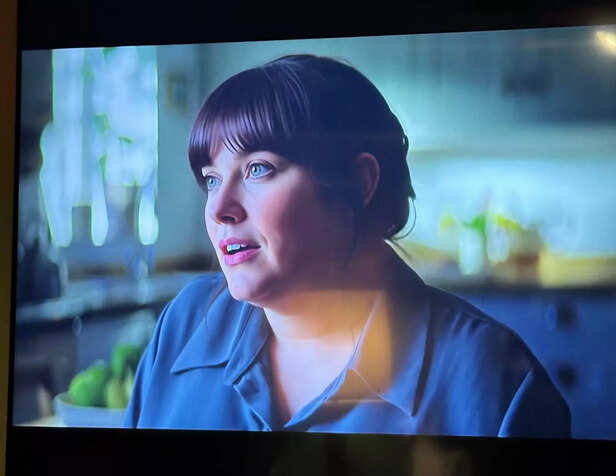
Image credit : Netflix | Traditionally, anonymization was pretty straightforward
From Blurs to AI Faces : Anonymization Got a Glow-Up
Now, tech has upgraded the playbook. AI tools can generate realistic digital faces and voices that replace the original person while keeping expressions, tone, and emotional cues intact. This is often described as advanced or digital anonymization.
Sounds smart, right? Until it feels off.

Image credit : Netflix | At its simplest, digital anonymization is about removing or altering identifying details so a person can’t be recognised
Enter: The Lucy Letby Documentary Backlash
Instead of blurring or obscuring interviewees, the documentary used AI-generated faces and altered voices for certain contributors, including a bereaved parent and someone close to Letby. Netflix framed this as “digitally anonymized” content meant to protect identities while preserving emotional impact. But viewers were not buying it.
Rather than fading into the background, the anonymization became the loudest thing in the room.
Why People Are So Uncomfortable With It
Second, there’s the uncanny valley problem. AI faces that look almost human but not quite can trigger discomfort, especially when paired with emotional testimonies. For many viewers, it felt disrespectful, even exploitative, to present grief through a synthetic face.
Third, there’s confusion around consent and transparency. While the intent may have been to protect interviewees, audiences wanted clearer disclosure and more traditional methods, ones they instinctively understand and trust.
Basically: the tech moved faster than cultural comfort.
Privacy vs. Presence: The Core Tension
It’s the classic modern dilemma: just because we can, does that mean we should?
Why This Debate Goes Beyond One Documentary
- Healthcare, where patient data must be protected
- AI training, where models shouldn’t memorise real people
- Research and policy, where privacy laws like GDPR treat anonymized data differently
So, What’s the Takeaway?
As AI tools become more common in storytelling, creators will have to figure out not just what’s technologically possible, but what feels emotionally right. Because when it comes to real trauma and real people, vibes matter, and audiences will call it out when something feels off.
Why digitally anonymized content is getting side-eyed
By Iraa Paul

Why MrBeast's Super Bowl Ad feels like it was made for the internet
By Sneha Kumari

Explained: The fall Gurgaon's favourite aesthetic spot
By Iraa Paul

Android's AirDrop moment is almost here
By Sneha Kumari

PowerPoint used to formally pitch bf to family for approval
By Simran Guleria

Bad Bunny celebrates Latin American pride at Super Bowl LX
By Simran Guleria

Kim Kardashian and Lewis Hamilton go public at Super Bowl
By Simran Guleria
