
Is the Valentine’s Day hype over? How Gen Zs revived it by rewriting the rules of modern love
Saloni Jha | Feb 10, 2026, 12:19 IST
Gen Z is not cancelling Valentine’s Day, they are redefining it completely.

Image credit : Indiatimes | Recent data shows that nearly 79 per cent of Gen Z planned to celebrate Valentine’s Day in 2026, the highest proportion of any generation.
Every February, the same question resurfaces: is Valentine’s Day officially over?
Well, if you scroll long enough, you will find the hot takes. Love is dead. Romance is cringe. Cupid needs to retire. But here is the twist. Gen Z is not cancelling Valentine’s Day. They are simply rewriting the script.
The hype is not gone. It has just been rebranded.
![Freepik | Contrary to popular belief, Gen Z is not sitting out the 14th of February.]()
Contrary to popular belief, Gen Z is not sitting out the 14th of February. In fact, they are leading participation charts. Recent data shows that nearly 79 per cent of Gen Z planned to celebrate Valentine’s Day in 2026, the highest proportion of any generation.
However, here is the plot twist: only about a third planned to celebrate with a romantic partner. That is significantly lower than older generations, where over half typically mark the day with a significant other.
Translation? The celebration remains. The traditional formula does not.
![Freepik | For us, Valentine’s Day has expanded beyond candlelit dinners and predictable prix fixe menus. Friendship now shares centre stage.]()
For Gen Z, Valentine’s Day has expanded beyond candlelit dinners and predictable prix fixe menus. Friendship now shares centre stage.
“Galentine’s” and “Palentine’s” have moved from niche to mainstream. Restaurant bookings for 13 February, often celebrated as Galentine’s Day, rose sharply year-on-year. Around 60 per cent of Gen Z reported they were likely to spend Valentine’s Day with friends rather than a partner.
And honestly, it shows.
On Rose Day, the early prelude to Valentine’s Week, the streets told their own story. Friends were handing each other flowers. A daughter gave her mother a rose at a traffic signal. One man gifted a flower to his dog, creating a moment so wholesome it could have broken the internet.
This is not anti-romance. It is pro-connection.
![Freepik | However, here is the plot twist: only about a third planned to celebrate with a romantic partner.]()
Another unmistakable shift? Self-gifting.
More than half of Gen Z shoppers have bought themselves a Valentine’s gift. That is double the rate of the broader population. Popular picks include skincare, beauty products and jewellery.
Valentine’s Day has quietly become a self-care holiday.
Instead of waiting for someone else to validate affection, many young people are choosing to celebrate themselves. The message is clear: romance is welcome, but it is not mandatory.
![Freepik | Restaurant bookings for 13 February, often celebrated as Galentine’s Day, rose sharply year-on-year.]()
If you are imagining Gen Z booking overpriced fine dining tables, think again.
This generation prefers experiences that feel personal and effortful. Axe throwing. Escape rooms. Pottery workshops. Cooking together at home. Movie marathons with fairy lights and comfort food.
The classic “dinner and a movie” formula feels dated. The vibe now is intentional, creative and low-pressure.
There is also a noticeable craving for authenticity. Digital fatigue has created a desire for real-world gestures. Flowers from local florists carry more emotional weight than last-minute online deliveries. Handmade cards feel more meaningful than mass-produced declarations.
Effort is the new luxury.
Practicality is part of the rebrand too.
Over half of Gen Z believes pre-loved or vintage gifts are better for the environment. Nearly half would prefer receiving a one-of-a-kind second-hand item over something brand new.
This is not the generation blindly buying oversized teddy bears. It is the generation asking whether that teddy bear will end up in landfill by March.
Budget consciousness also plays a role. Many prefer cosy, low-key celebrations over fighting for reservations or spending beyond their means.
![Netflix | Instead of waiting for someone else to validate affection, many young people are choosing to celebrate themselves.]()
Not exactly.
Valentine’s Day is no longer a romantic obligation measured by grand gestures and Instagram posts. For Gen Z, it has evolved into something broader and more inclusive.
It celebrates friendships. It embraces self-love. It values experiences over extravagance and authenticity over performance.
The roses are still being handed out. They are just reaching more hands.
Valentine’s Day has not disappeared. It has simply grown up, diversified and softened its edges.
And if a guy can give a rose to his pet and still capture the spirit of the day, perhaps the hype was never about couples in the first place.
Well, if you scroll long enough, you will find the hot takes. Love is dead. Romance is cringe. Cupid needs to retire. But here is the twist. Gen Z is not cancelling Valentine’s Day. They are simply rewriting the script.
The hype is not gone. It has just been rebranded.

Image credit : Freepik | Contrary to popular belief, Gen Z is not sitting out the 14th of February.
High participation, low cliché
However, here is the plot twist: only about a third planned to celebrate with a romantic partner. That is significantly lower than older generations, where over half typically mark the day with a significant other.
Translation? The celebration remains. The traditional formula does not.

Image credit : Freepik | For us, Valentine’s Day has expanded beyond candlelit dinners and predictable prix fixe menus. Friendship now shares centre stage.
From romance to real ones
“Galentine’s” and “Palentine’s” have moved from niche to mainstream. Restaurant bookings for 13 February, often celebrated as Galentine’s Day, rose sharply year-on-year. Around 60 per cent of Gen Z reported they were likely to spend Valentine’s Day with friends rather than a partner.
And honestly, it shows.
On Rose Day, the early prelude to Valentine’s Week, the streets told their own story. Friends were handing each other flowers. A daughter gave her mother a rose at a traffic signal. One man gifted a flower to his dog, creating a moment so wholesome it could have broken the internet.
This is not anti-romance. It is pro-connection.

Image credit : Freepik | However, here is the plot twist: only about a third planned to celebrate with a romantic partner.
Self-love Is not a backup plan
More than half of Gen Z shoppers have bought themselves a Valentine’s gift. That is double the rate of the broader population. Popular picks include skincare, beauty products and jewellery.
Valentine’s Day has quietly become a self-care holiday.
Instead of waiting for someone else to validate affection, many young people are choosing to celebrate themselves. The message is clear: romance is welcome, but it is not mandatory.

Image credit : Freepik | Restaurant bookings for 13 February, often celebrated as Galentine’s Day, rose sharply year-on-year.
Experiences over extravagance
This generation prefers experiences that feel personal and effortful. Axe throwing. Escape rooms. Pottery workshops. Cooking together at home. Movie marathons with fairy lights and comfort food.
The classic “dinner and a movie” formula feels dated. The vibe now is intentional, creative and low-pressure.
There is also a noticeable craving for authenticity. Digital fatigue has created a desire for real-world gestures. Flowers from local florists carry more emotional weight than last-minute online deliveries. Handmade cards feel more meaningful than mass-produced declarations.
Effort is the new luxury.
Sustainability and sensibility
Over half of Gen Z believes pre-loved or vintage gifts are better for the environment. Nearly half would prefer receiving a one-of-a-kind second-hand item over something brand new.
This is not the generation blindly buying oversized teddy bears. It is the generation asking whether that teddy bear will end up in landfill by March.
Budget consciousness also plays a role. Many prefer cosy, low-key celebrations over fighting for reservations or spending beyond their means.
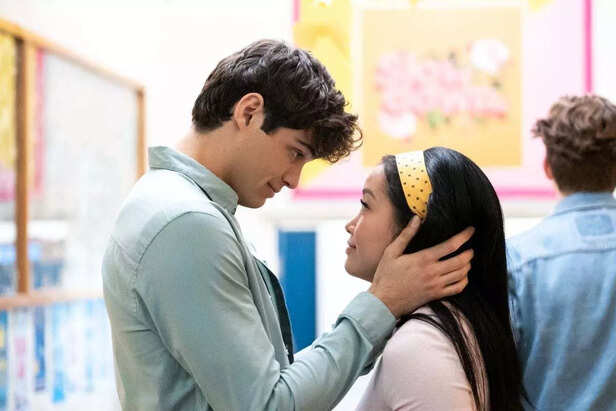
Image credit : Netflix | Instead of waiting for someone else to validate affection, many young people are choosing to celebrate themselves.
So, is the hype over?
Valentine’s Day is no longer a romantic obligation measured by grand gestures and Instagram posts. For Gen Z, it has evolved into something broader and more inclusive.
It celebrates friendships. It embraces self-love. It values experiences over extravagance and authenticity over performance.
The roses are still being handed out. They are just reaching more hands.
Valentine’s Day has not disappeared. It has simply grown up, diversified and softened its edges.
And if a guy can give a rose to his pet and still capture the spirit of the day, perhaps the hype was never about couples in the first place.
Why young techies are ditching US jobs for India
By Sneha Kumari

‘They turned my crisis into an unforgettable experience’: Viral story of German traveller praising Indian friends after losing her credit card sparks admiration online
By Simran Guleria

Viral clip shows couple praise Raghav Chadha for affordable food
By Simran Guleria

Elon Musk's Moon civilisation isn't just a dream
By Sneha Kumari

MrBeast buys ‘Step’ to teach how to save money
By Sneha Kumari

Did Kyedae cheat on TenZ with John Choi? Valorant star speaks out as cheating claims swirl after six-year breakup
By Shivani Negi

Bad Bunny’s halftime show plays at Trump’s Super Bowl party
By Simran Guleria
