
What is attachment theory? The reason behind your romantic plot twists
Saloni Jha | Feb 06, 2026, 14:26 IST
Why you love the way you do: The psychology behind attachment styles explained.

Image credit : Indiatimes | Attachment theory explains how our earliest relationships shape the way we connect with others throughout our lives.
We love to blame “bad timing,” “toxic exes,” or Mercury retrograde for our romantic disasters. But what if the real plot twist has been quietly running the show since infancy? Enter attachment theory, the psychological blueprint behind how you bond, love, argue, withdraw, overthink and occasionally self-sabotage.
Attachment theory is not just therapy-speak trending on TikTok. It is a foundational psychological concept that explains how our earliest relationships shape the way we connect as adults. Whether it is romance, friendships, or even that passive-aggressive office dynamic, your attachment style might be steering the wheel.
![Freepik | Over time, attachment theory has become a popular concept.]()
In the 1950s, child psychiatrist John Bowlby developed attachment theory, proposing that humans are biologically wired to form deep emotional bonds with caregivers. According to his framework, infants instinctively seek safety, comfort and protection from the people raising them. That sense of security is not just sentimental. It is survival.
When caregivers consistently respond to a child’s needs, the child learns a powerful lesson: the world is safe, and people can be trusted. When care is unpredictable, distant or frightening, the lesson shifts. And those early lessons do not simply vanish with age. They evolve into attachment styles that influence how we navigate relationships for the rest of our lives.
![Freepik | Attachment theory broadly categorises people into four styles: secure, anxious, avoidant and disorganised.]()
Attachment theory broadly categorises people into four styles: secure, anxious, avoidant and disorganised. Think of them less as labels and more as patterns.
Secure attachment: The green flag energy
If you grew up with reliable care and emotional responsiveness, chances are you lean secure. Securely attached individuals are comfortable with closeness. They communicate clearly, respect personal space, and do not treat vulnerability like a horror film.
They do not panic when someone needs reassurance, nor do they run when things get intimate. Secure attachment is essentially emotional stability with boundaries. Calm. Balanced. Mature.
![Freepik | People with anxious attachment patterns often fear of abandonment.]()
Anxious attachment tends to show up as a deep fear of abandonment. People with this style often crave closeness but constantly worry it will disappear. A delayed text becomes a crisis. A small disagreement feels like the end of the world.
They may feel their partner is not affectionate enough, even when there is no clear evidence. Because of that underlying insecurity, they can appear clingy or overly dependent. Underneath the intensity, however, is a strong desire for connection and reassurance.
Avoidant attachment is defined by discomfort with intimacy. Independence becomes the main character. People with this style pride themselves on self-sufficiency and may struggle to trust others fully.
Emotional closeness can feel overwhelming. Instead of leaning in, they lean out. Walls go up. Conversations get shallow. Vulnerability feels like a threat rather than a bridge. The irony? Many avoidant individuals still want connection. They just fear losing autonomy in the process.
![Freepik | Individuals with anxious attachment may also feel that their partner is not as loving or affectionate towards them as they would like.]()
Disorganised attachment is less common but deeply complex. It combines traits of both anxious and avoidant styles. There is a strong desire for intimacy, paired with an equally strong fear of it.
One moment, they are desperate for closeness. The next, they are shutting down. This push-pull dynamic often stems from early experiences where caregivers were both a source of comfort and fear. As adults, relationships can feel confusing and emotionally chaotic.
Understanding attachment theory is not about diagnosing yourself for fun. It is about recognising patterns. Why do you chase emotionally unavailable people? Why does commitment feel suffocating? Why does conflict make you spiral?
Your attachment style influences how you communicate during disagreements, how you interpret your partner’s actions, and how safe you feel being vulnerable. It shows up in romantic relationships, friendships, family bonds and even professional dynamics.
![Freepik | Individuals with anxious attachment may also feel that their partner is not as loving or affectionate towards them as they would like.]()
Here is the good news. Attachment styles are not life sentences. They are patterns shaped by early experiences, but they can shift over time. Self-awareness, therapy, healthy relationships and building self-worth can all contribute to what psychologists call “earned secure attachment.”
In other words, you are not doomed to repeat your worst emotional habits forever.
Attachment theory does not exist to box you in. It exists to give you language for your emotional world. When you understand how you bond, you gain the power to choose differently. And that might just be the healthiest love story you ever write.
Attachment theory is not just therapy-speak trending on TikTok. It is a foundational psychological concept that explains how our earliest relationships shape the way we connect as adults. Whether it is romance, friendships, or even that passive-aggressive office dynamic, your attachment style might be steering the wheel.

Image credit : Freepik | Over time, attachment theory has become a popular concept.
The origins: It all starts in the nursery
When caregivers consistently respond to a child’s needs, the child learns a powerful lesson: the world is safe, and people can be trusted. When care is unpredictable, distant or frightening, the lesson shifts. And those early lessons do not simply vanish with age. They evolve into attachment styles that influence how we navigate relationships for the rest of our lives.
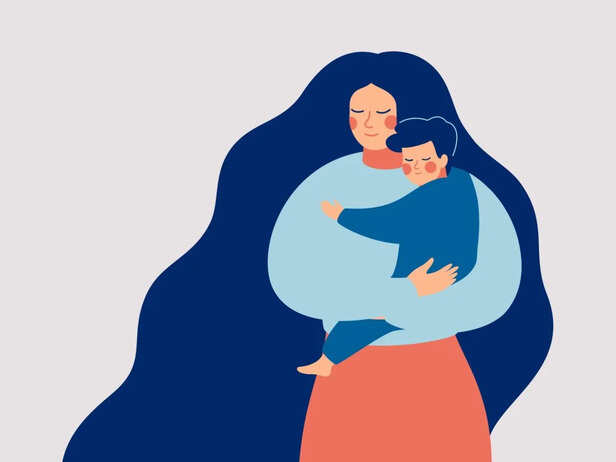
Image credit : Freepik | Attachment theory broadly categorises people into four styles: secure, anxious, avoidant and disorganised.
The four attachment styles: Choose your character
Secure attachment: The green flag energy
If you grew up with reliable care and emotional responsiveness, chances are you lean secure. Securely attached individuals are comfortable with closeness. They communicate clearly, respect personal space, and do not treat vulnerability like a horror film.
They do not panic when someone needs reassurance, nor do they run when things get intimate. Secure attachment is essentially emotional stability with boundaries. Calm. Balanced. Mature.
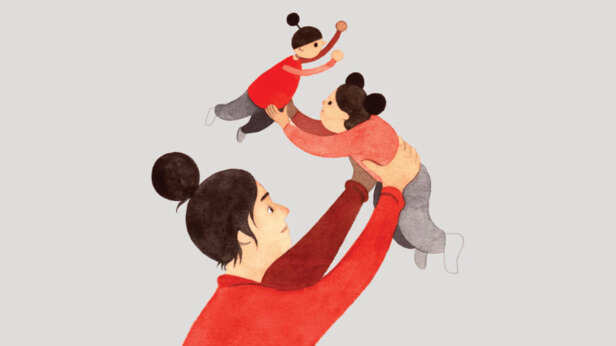
Image credit : Freepik | People with anxious attachment patterns often fear of abandonment.
Anxious attachment: The overthinker era
They may feel their partner is not affectionate enough, even when there is no clear evidence. Because of that underlying insecurity, they can appear clingy or overly dependent. Underneath the intensity, however, is a strong desire for connection and reassurance.
Avoidant attachment: The emotional minimalist
Emotional closeness can feel overwhelming. Instead of leaning in, they lean out. Walls go up. Conversations get shallow. Vulnerability feels like a threat rather than a bridge. The irony? Many avoidant individuals still want connection. They just fear losing autonomy in the process.

Image credit : Freepik | Individuals with anxious attachment may also feel that their partner is not as loving or affectionate towards them as they would like.
Disorganised attachment : The push-pull plot twist
One moment, they are desperate for closeness. The next, they are shutting down. This push-pull dynamic often stems from early experiences where caregivers were both a source of comfort and fear. As adults, relationships can feel confusing and emotionally chaotic.
Why attachment theory still matters
Your attachment style influences how you communicate during disagreements, how you interpret your partner’s actions, and how safe you feel being vulnerable. It shows up in romantic relationships, friendships, family bonds and even professional dynamics.
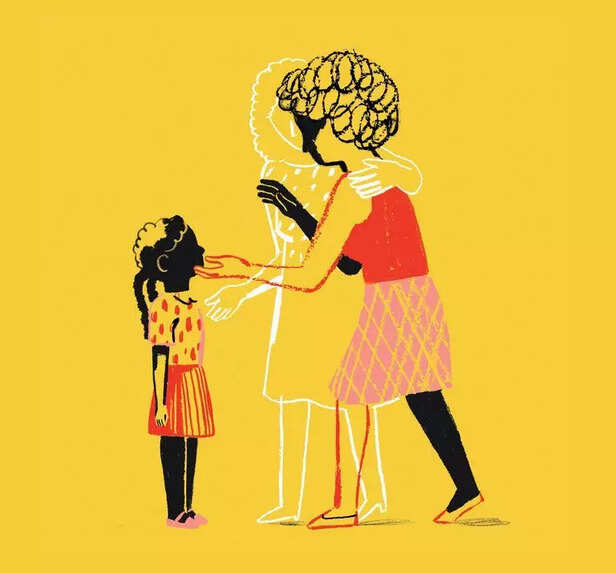
Image credit : Freepik | Individuals with anxious attachment may also feel that their partner is not as loving or affectionate towards them as they would like.
The plot twist: It is not permanent
In other words, you are not doomed to repeat your worst emotional habits forever.
Attachment theory does not exist to box you in. It exists to give you language for your emotional world. When you understand how you bond, you gain the power to choose differently. And that might just be the healthiest love story you ever write.
ROSÉ and MrBeast spotted together at Super Bowl 2026
By Emmy Azad

Who is Robert Richens?
By Sneha Kumari

Travis Kelce says Taylor Swift changed how he listens
By Nancy Jaiswal

iJustine slams Jake Paul over his controversial ICE post
By Emmy Azad

Has PUBG Mobile 4.3 update release date leaked?
By Sneha Kumari

Meghan Markle and Prince Harry spending more time apart
By Nancy Jaiswal

Who is Tang Sie Luk?
By Sneha Kumari
