
Elon Musk says SpaceX’s Moon plans are moving faster than Mars — Here’s why that matters
Nancy Jaiswal | Feb 10, 2026, 15:43 IST
Elon Musk says SpaceX is working on a system that would allow anyone to travel to the Moon, with Mars next. He has also confirmed that building a self-growing lunar city is now the company’s top priority, citing faster progress compared to Mars missions.

Image credit : Indiatimes | Elon Musk says SpaceX’s moon plans are moving faster
Elon Musk has said that SpaceX plans to develop a system that would allow people to travel to the Moon, with Mars included as a longer-term goal. The statement was made through posts on X, where Musk outlined both the ambition behind the idea and its importance for humanity’s future.
“SpaceX will build a system that allows anyone to travel to the Moon. This will be so insanely cool,” Musk wrote. He later added, “And Mars too.” The comments underline SpaceX’s broader objective of expanding human presence beyond Earth.
Musk framed the initiative as more than a technological milestone, describing it as a necessary source of optimism. According to him, such projects help inspire people by offering something to look forward to, rather than focusing only on ongoing global challenges.
Why Musk says these projects matter for humanity
In his posts, Musk explained why he believes space exploration plays a key role in shaping humanity’s outlook. He said that life cannot be reduced to a series of negative events and that people need ideas and goals that generate excitement about the future.
![Elon Musk says SpaceX is working on a system that would allow anyone to travel to the Moon]() “There must be things that make us super excited and inspired about the future,” Musk wrote, adding that enabling space travel is one such goal. He positioned SpaceX’s ambitions as a way to encourage hope and long-term thinking, rather than short-term survival alone.
“There must be things that make us super excited and inspired about the future,” Musk wrote, adding that enabling space travel is one such goal. He positioned SpaceX’s ambitions as a way to encourage hope and long-term thinking, rather than short-term survival alone.
This perspective aligns with Musk’s long-standing belief that humanity should work toward becoming a multi-planetary species in order to secure civilisation’s future.
Musk’s comments on public Moon travel followed an earlier announcement that SpaceX is now focusing on building a self-growing city on the Moon. According to him, a permanent lunar settlement could be achieved in less than ten years.
He said the Moon presents a more practical starting point for sustained human presence compared to Mars. One of the key reasons is the frequency and duration of missions. Musk noted that launches to the Moon can take place every ten days, with travel lasting around two days.
![Elon Musk hints at a SpaceX strategy]() In contrast, missions to Mars depend on planetary alignment, which occurs roughly every 26 months. A journey to Mars also takes about six months, significantly slowing progress.
In contrast, missions to Mars depend on planetary alignment, which occurs roughly every 26 months. A journey to Mars also takes about six months, significantly slowing progress.
“This means we can iterate much faster to complete a Moon city than a Mars city,” Musk explained.
While the Moon is now the primary focus, Musk said SpaceX still intends to begin building a city on Mars within the next five to seven years. However, he acknowledged that creating a functioning city on Mars would likely take more than two decades.
Despite the shift in priority, Musk stressed that SpaceX’s mission has not changed. “The mission of SpaceX remains the same: extend consciousness and life as we know it to the stars,” he wrote.
![Elon Musk reveals why SpaceX is betting big on the moon]() According to Musk, the Moon serves as a faster and more achievable step toward that broader objective, allowing SpaceX to refine systems and processes that could later be applied to Mars.
According to Musk, the Moon serves as a faster and more achievable step toward that broader objective, allowing SpaceX to refine systems and processes that could later be applied to Mars.
Musk’s remarks reinforce his belief that establishing human settlements beyond Earth is essential for the long-term survival of civilisation. By focusing first on the Moon, SpaceX aims to move more quickly while continuing to work toward its Mars ambitions.
The plan to build a system that enables public Moon travel fits into this wider strategy, combining technological development with a vision for humanity’s future beyond Earth.
“SpaceX will build a system that allows anyone to travel to the Moon. This will be so insanely cool,” Musk wrote. He later added, “And Mars too.” The comments underline SpaceX’s broader objective of expanding human presence beyond Earth.
Musk framed the initiative as more than a technological milestone, describing it as a necessary source of optimism. According to him, such projects help inspire people by offering something to look forward to, rather than focusing only on ongoing global challenges.
Why Musk says these projects matter for humanity
In his posts, Musk explained why he believes space exploration plays a key role in shaping humanity’s outlook. He said that life cannot be reduced to a series of negative events and that people need ideas and goals that generate excitement about the future.
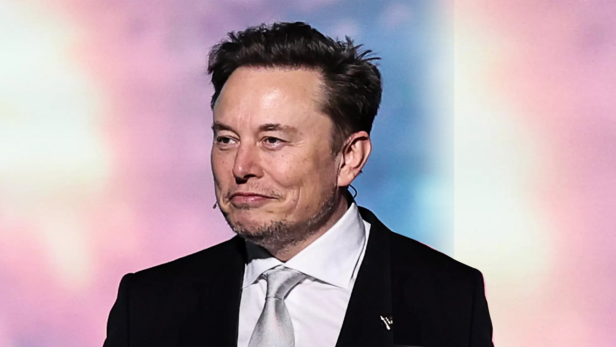
Image credit : X/musk_coco | Elon Musk says SpaceX is working on a system that would allow anyone to travel to the Moon
This perspective aligns with Musk’s long-standing belief that humanity should work toward becoming a multi-planetary species in order to secure civilisation’s future.
SpaceX prioritises building a self-growing moon city
He said the Moon presents a more practical starting point for sustained human presence compared to Mars. One of the key reasons is the frequency and duration of missions. Musk noted that launches to the Moon can take place every ten days, with travel lasting around two days.

Image credit : X/musk_coco | Elon Musk hints at a SpaceX strategy
“This means we can iterate much faster to complete a Moon city than a Mars city,” Musk explained.
Mars remains part of SpaceX’s long-term vision
Despite the shift in priority, Musk stressed that SpaceX’s mission has not changed. “The mission of SpaceX remains the same: extend consciousness and life as we know it to the stars,” he wrote.
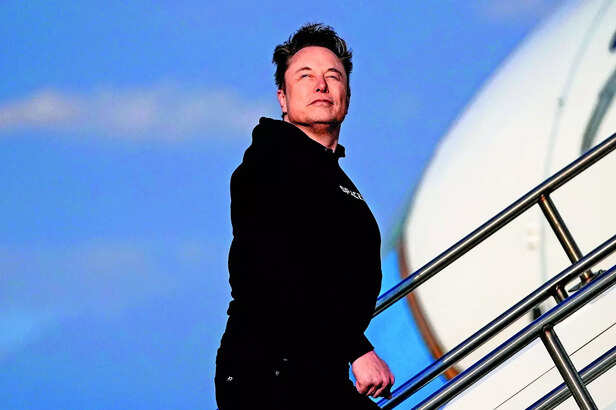
Image credit : X/elonmusk_VP | Elon Musk reveals why SpaceX is betting big on the moon
A step-by-step path to a multi-planetary future
The plan to build a system that enables public Moon travel fits into this wider strategy, combining technological development with a vision for humanity’s future beyond Earth.
Elon Musk says SpaceX’s Moon plans are moving faster
By Nancy Jaiswal

Rentable humans? The creepy, wild reality of AI hiring people
By Sneha Kumari

Why being single on Valentine’s Day is low-key elite
By Iraa Paul

How Gen Zs redefined Valentine's Day rules
By Saloni Jha

Why young techies are ditching US jobs for India
By Sneha Kumari

‘They turned my crisis into an unforgettable experience’: Viral story of German traveller praising Indian friends after losing her credit card sparks admiration online
By Simran Guleria

Viral clip shows couple praise Raghav Chadha for affordable food
By Simran Guleria
